
Creative Direction at UGC Factory: Leading UGC Campaigns Across DTC, CPG & Wellness Brands

TL;DR — What I owned at UGC Factory
Creative Direction across multiple DTC, CPG, and wellness brands — including Mighties (better-for-you CPG), Barre Definition (fitness + wellness lifestyle), and CBDfx (CBD wellness).
End-to-end UGC campaign systems — strategy, briefing, creator direction, edit reviews, performance reads, and the playbooks that made it all repeatable.
Client-facing creative lead — kickoff calls, strategy presentations, monthly creative reviews, and the calls where performance data became the next round of hooks.
The role in one sentence
As a Creative Director at UGC Factory, I led creative strategy and execution for consumer, wellness, and lifestyle brands — building scalable UGC campaign systems, directing creators, and making sure every asset shipped was actually built to perform on paid.
What I owned, end-to-end
This role lived at the intersection of strategy, creative direction, and performance — which is exactly where most UGC programs break. Here's how I structured the work:
1. Campaign strategy aligned to client goals + audience insights.
Every campaign opened with a goal (discovery, ROAS, awareness, retention) and an audience insight — not a content idea. The brief came after.
2. Multi-creator ad campaigns, end-to-end.
Briefing the right creators, reviewing footage and edits as they came in, and making the brand-alignment calls so every asset cleared the bar before it hit a media buyer's hands.
3. Direction of UGC ads, social cutdowns, and branded visuals.
Optimized for platform-native storytelling — never salesly - but always integrating the product.
4. Performance interpretation → creative scaling.
Strategy meetings, trend spotting, and regular performance analyses identifying which narratives, hooks, and formats were actually moving spend, and pushing creatives into the next round of briefs as scalable formats — not one-off wins.
5. Client-facing creative lead.
Kickoff calls, strategy presentations, monthly creative reviews. I owned that surface for every brand on my roster — because that's the room where strategy decisions actually get made. Requirement to present strategy to client and align prior to any brief is ever written.
6. Playbooks, briefs, and content systems.
The work that compounds. Repeatable brief templates, creator onboarding docs, format libraries, and review workflows so momentum didn't reset every month — for the brand or for UGC Factory's internal team.
The campaigns
Three of the briefs I led — published as live working docs the creators actually shot from.
Mighties — CPG / better-for-you
Creative direction for a CPG brand in the better-for-you consumer space. Campaign focused on platform-native UGC engineered to ladder into paid, with hook variation built for testing — not single-shot creative.
View the Mighties Brief ↗️
Which produced ads such as these ⬇️


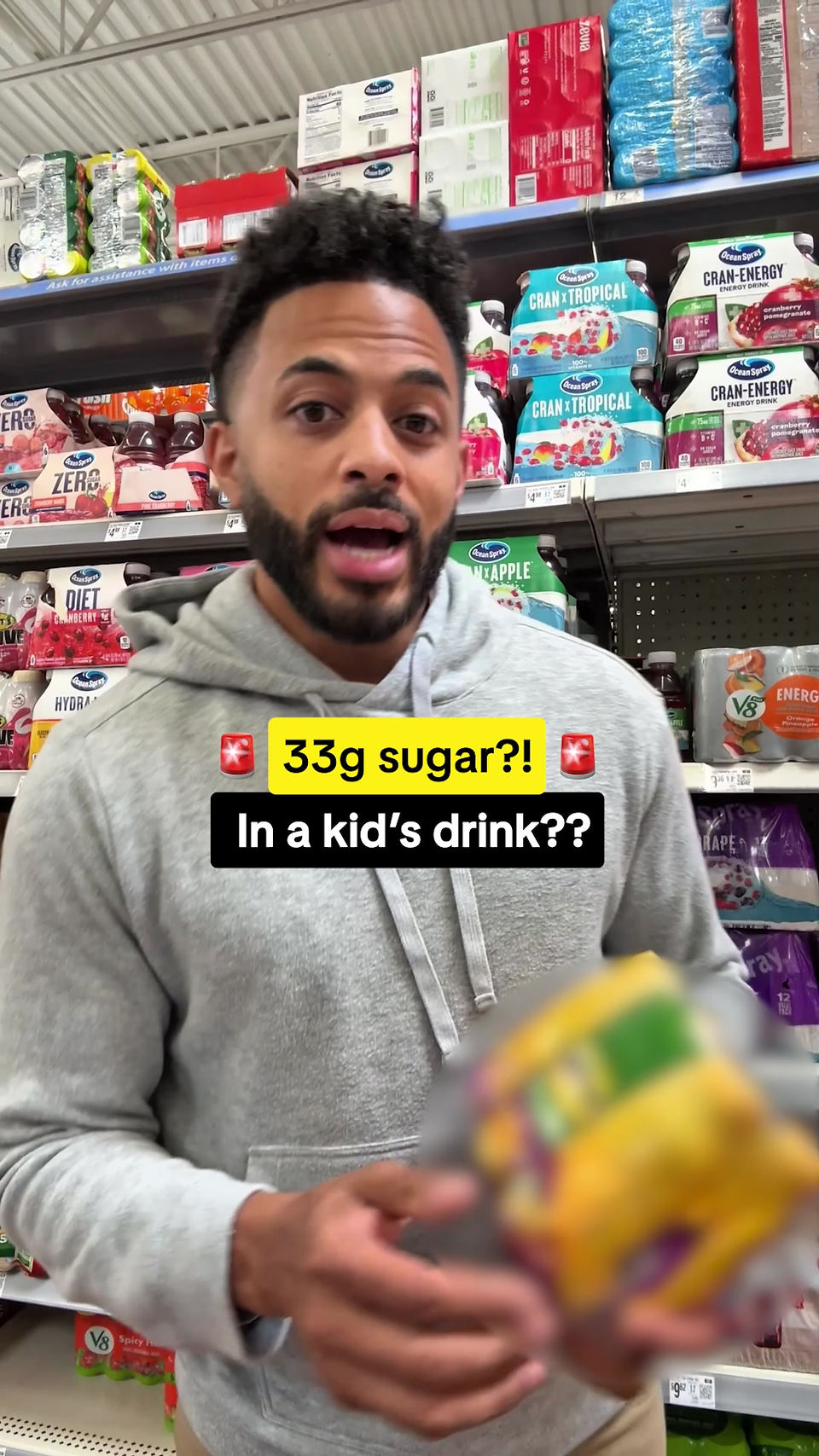

Barre Definition — fitness + wellness
Creator direction for Barre Definition, the barre and pilates fitness app and wellness brand founded by Action Jacquelyn. The campaign had to flex across multiple product types — fitness app, equipment, premium protein — without losing the brand's "strong, feminine, supported" tone of voice.


View Examples from the Barre Definition Briefing ↗️
CBDfx — CBD wellness
Creator direction for CBDfx, a Southern California-based CBD wellness brand with a deep product line across gummies, tinctures, mushroom products, and pet wellness. The creative challenge: build hook variation that landed wellness benefits cleanly inside platform compliance constraints — and was credible enough to scale on paid.
View the CBDfx Brief ↗️
Which produced ads such as these ⬇️


Creative Direction: What this role was actually about: working quickly within systems, not one-off campaigns
The reason briefs and playbooks matter more than any individual asset is that UGC scales on systems, not on viral moments. Here's the system I leaned on across every client:
A repeatable brief format that loaded the strategy upfront — goal, audience insight, hook variations, format spec, brand guardrails, checklists — so creators were clearly directed, but not micromanaged
A review pipeline that cleared assets quickly without compromising brand alignment, so volume didn't kill quality
A performance-feedback loop that promoted winning narratives, formats, and hooks into the next month's briefs as the new baseline — and retired what wasn't working quickly
Format libraries so when a format landed, we could re-cast it across creators and other clients without re-engineering the strategy from scratch
What I'd take into your campaign
UGC works when the strategy is loaded upfront. A strong and detailed brief is the single biggest performance lever — often bigger than any individual creator pick.
Creative direction is a quality bar, not a vibe. Every asset gets reviewed against the goal and the brand, not just against taste alone.
Scale comes from systems, not one-off wins. A monthly brief built around hook variations A/B/C/D beats a single hero ad almost every time.
Performance and creative belong in the same room. When the buy side and creative lead read the data together, next month's briefs get sharper instead of starting from scratch.
Owning the client-facing room matters. Strategy decisions get made in the kickoff and the monthly review. Half the job is being in those rooms with a point of view.
Want to work together?
If you're a DTC, CPG, or wellness brand looking for end-to-end UGC creative direction — strategy, creator direction, performance scaling, and the playbooks that make it all repeatable — reach out.


Comments